The short answer
They solve different problems, so they are not direct rivals. Wax is a cheap, easy sacrificial layer that adds gloss and short-term water-beading protection, lasting weeks to a few months. A ceramic coating is a durable semi-permanent layer bonded to the paint that resists chemicals, UV and light marring far longer — typically a few years — and makes cleaning easier, but it does not stop stone chips or deep scratches. A respray is not a protective product at all; it restores damaged or failed paint with fresh paint and lacquer. So you wax or ceramic-coat to protect sound paint, and you respray to repair paint that is already damaged. The right choice depends on whether your paint needs protecting or restoring.
The key is to see these as three different jobs rather than three grades of the same thing. The sections below explain what each does and where it fits.
Quick reference
- WaxCheap gloss, weeks to months
- Ceramic coatingDurable protection, a few years
- ResprayRestores damaged/failed paint
- Coatings don't stopStone chips, deep scratches
- Choose byProtecting sound paint vs restoring damaged
What each one actually does
Wax (natural carnauba or synthetic sealant) is a sacrificial top layer applied over clean paint. It deepens gloss, helps water bead and run off, and offers light protection against contaminants. It is cheap, DIY-friendly and forgiving, but short-lived — it wears off over weeks to a few months and needs reapplying regularly.
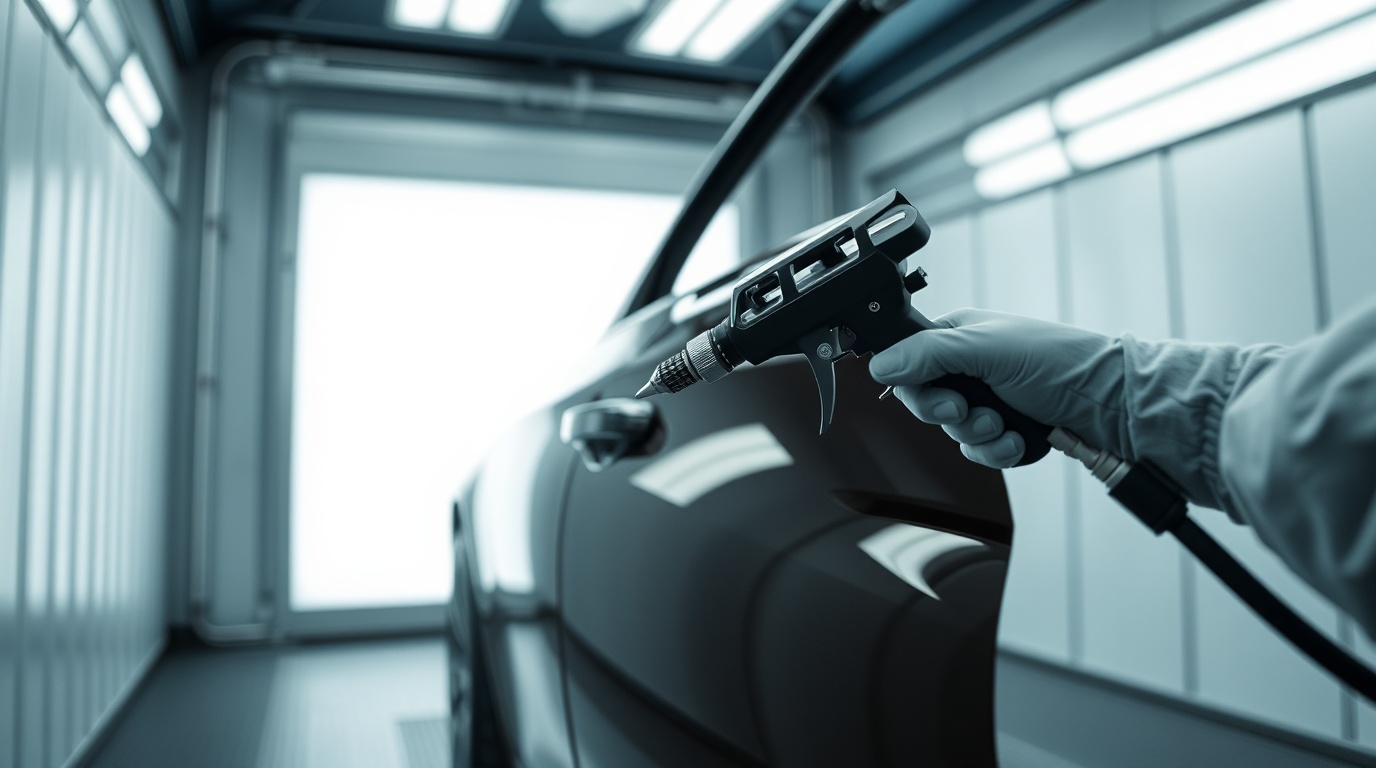
A ceramic coating is a liquid polymer that chemically bonds to the paint's clear coat, forming a hard, semi-permanent layer. It is far more durable than wax, typically lasting a few years, and resists UV fading, chemical etching from bird droppings and road grime, and light wash marring, while making the surface very easy to clean. What it does not do is armour-plate the car: a ceramic coating will not prevent stone chips, deep scratches or dents, which is a common misunderstanding. A respray is different in kind — it strips and repaints damaged or failed paint, restoring colour and finish where the existing paint is chipped, scratched, faded or peeling. It is a repair, not a protective measure, though new paint with fresh lacquer is naturally in good protective condition.
How they compare
Set side by side, the differences are mostly about durability, cost and purpose. Wax is the lowest-cost and easiest but needs frequent renewal. A ceramic coating costs more and is usually professionally applied (though consumer versions exist), but it lasts far longer and reduces cleaning effort. A respray is the most involved and expensive, because it is restoring paint rather than protecting it, and is only relevant when the paint is already damaged.
They can also work together rather than competing: a car that has just been resprayed can later be waxed or ceramic-coated to protect the new finish. The table below summarises the comparison so it is clear which problem each one addresses.
| Factor | Wax | Ceramic coating | Respray |
|---|---|---|---|
| Main purpose | Gloss, light protection | Durable protection | Restore damaged paint |
| Typical lifespan | Weeks to months | A few years | As long as the paint |
| Stops stone chips | No | No | n/a (it's a repair) |
| Eases cleaning | A little | Yes | n/a |
| Relative cost | Low | Medium | High |
| DIY-friendly | Yes | Sometimes | No |
Indicative comparison for guidance. Coating longevity depends on product and care.
Which to choose
Decide by asking whether your paint needs protecting or restoring. If the paint is sound and you want to keep it looking good and easy to clean, choose a protective product: wax if you want a cheap, simple, regularly-renewed shine, or a ceramic coating if you want longer-lasting, lower-maintenance protection and don't mind the higher upfront cost. Coatings suit people who keep cars long term and dislike frequent waxing; wax suits those who enjoy regular detailing or want minimal outlay.
If the paint is already damaged — chipped, scratched, faded or peeling — no coating or wax will fix it, because they only protect what is there. The answer is a respray of the affected area to restore the finish, after which a wax or ceramic coating can protect the fresh paint. The clearest way to think about it: respray to repair, then wax or ceramic-coat to protect and maintain. And remember that none of the three prevents stone chips or deep scratches — for that you would be looking at a paint protection film, which is a separate option again.
Frequently asked questions
Does a ceramic coating stop scratches and stone chips?
No. Ceramic coatings protect against chemical etching, UV fading and light wash marring, and make cleaning easier, but they are thin and hard rather than thick and cushioning, so they do not prevent stone chips, deep scratches or dents. For physical impact protection you would need a paint protection film instead.
Is ceramic coating better than wax?
It lasts much longer and needs less maintenance, but it costs more and is harder to apply, so it is not simply better for everyone. Wax is cheap, easy and gives a good short-term shine; ceramic coating suits those wanting durable, low-maintenance protection. The right choice depends on budget and how much upkeep you want.
Can I wax or coat over a fresh respray?
Yes, but timing matters. Fresh paint usually needs a curing period before sealing it with wax or a ceramic coating, as the lacquer continues to off-gas for a while after spraying. Ask the bodyshop how long to wait. Once cured, waxing or coating the new finish helps protect and maintain it.
Sources & further reading
- Halfords — car wax, ceramic and paint protection advice
- Which? — car cleaning and paint care guidance
Figures on this page are typical UK ranges drawn from published sources and depend on your specific car and damage. They are guidance, not a quotation.